 Reader Writer
Upgrade Your Property with Traditional Timber Sash Windows
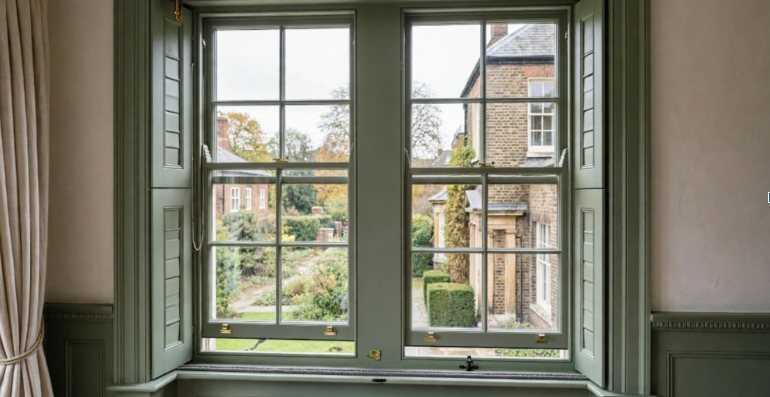
Timber sash windows are a popular choice for homeowners who want to preserve their property’s traditional charm while improving comfort, insulation and security. Their classic design complements Georgian and Victorian homes, as well as other period properties.
Modern timber sash windows combine elegant detailing with practical features, including improved glazing, draught reduction and durable finishes. With the right materials and design, they can enhance your home’s appearance while meeting everyday needs.
What Are Timber Sash Windows?
Timber sash windows feature one or more movable panels, known as sashes, that slide vertically within a frame. This design lets fresh air in without opening the window outwards or inwards.
Their traditional appearance makes them particularly suitable for heritage properties, Victorian terraces and Georgian homes. However, bespoke designs can also complement contemporary buildings where homeowners want to introduce classic architectural details.
How Do Weight-and-Pulley Sash Windows Work?
Traditional weight and pulley sash windows use a counterbalance system to support each sash’s movement. Cords run over pulleys and connect the window panels to concealed weights housed within the frame. This mechanism helps the sashes move smoothly and remain in position when opened.
The system is valued for its traditional construction and authentic operation. It is particularly appropriate for heritage restoration projects where preserving original architectural features is important. Modern manufacturing techniques can improve this established design’s reliability and performance.
Benefits of Choosing Timber Sash Windows
Timber sash windows offer several advantages for homeowners seeking a balance between appearance and functionality. Their natural finish and traditional detailing can enhance a property’s character, while bespoke manufacturing lets you tailor the design to your needs.
Key benefits include:
- Timeless appearance: Complements traditional and period architecture.
- Natural material: Timber provides an attractive finish that can be painted in different colours.
- Improved insulation: Modern glazing and effective seals help reduce heat loss.
- Custom designs: Frame proportions, glazing bars and finishes can be selected to suit the property.
- Long-term value: Quality construction and appropriate maintenance can support a long service life.
Which timber is best for Sash Windows?
The choice of timber influences durability, appearance and maintenance requirements. Hardwood options, such as European oak and Red Grandis, offer different grain patterns and natural characteristics. Accoya is another option, valued for its stability and resistance to swelling and decay.
Stabilised timber sections can also help improve dimensional consistency compared with conventional solid timber. The most suitable material depends on the property’s design, exposure to weather, budget and the performance expected from the finished windows.
Can Timber Sash Windows Improve Energy Efficiency?
Older sash windows may let in draughts and lose heat because of worn seals or gaps in the frames. Modern timber sash windows can improve insulation through better glazing, effective draught exclusion and carefully designed frames. Double glazing can also help retain warmth and reduce external noise.
For heritage properties, slimline or vacuum glazing can improve thermal performance while preserving traditional proportions. Low-emissivity glass and gas-filled glazing units may provide further insulation benefits, depending on the window specification and installation quality.
Traditional Style with Modern Security
Security is essential when choosing timber sash windows. Modern designs can include secure locks and durable fittings while maintaining traditional features. Opening restrictors can also add safety, particularly in homes with children.
For listed buildings or properties in conservation areas, check the relevant planning and conservation requirements before replacing windows to ensure the chosen design is suitable.
Customisation Options for Timber Sash Windows
Bespoke timber sash windows can be tailored to match your property’s architectural style. Options such as glazing bars, frame profiles and decorative horns help preserve traditional details and create an authentic appearance.
You can also choose colours and finishes to complement your home’s exterior, with dual-colour options available for different interior and exterior styles. The right design ensures your new windows blend naturally with the building.
How to Maintain Timber Sash Windows
Regular maintenance helps keep timber sash windows in good condition. Inspect the frames, paintwork, seals and moving parts for signs of wear or moisture damage, particularly in areas exposed to rain.
Clean the windows regularly and repair damaged paintwork when needed. Check the cords and pulleys if the sashes become difficult to operate. Protective coatings can reduce maintenance needs, but periodic care remains essential for long-term durability.
Are Timber Sash Windows Suitable for Heritage Properties?
Timber sash windows are often an appropriate choice for heritage buildings because their proportions and traditional operating mechanisms can reflect original architectural features. They can be manufactured to match existing designs while incorporating carefully selected modern materials and glazing.
For listed buildings, replacement work may require listed building consent. Properties in conservation areas may also face additional restrictions. Checking the relevant requirements before ordering can help you avoid unsuitable specifications and unnecessary delays.
Choosing the Right Timber Sash Windows for Your Property
Choosing the right timber sash windows helps maintain your property’s traditional charm while improving comfort and efficiency. Consider the timber, glazing and finish to suit your home’s style and needs.
Brookeswood offers bespoke heritage sash windows with traditional weight-and-pulley mechanisms, quality timber, and modern glazing options, helping you preserve your property’s character with lasting style.