 Reader Writer
How Writers Can Use a Calendar to Turn Ideas Into Finished Books
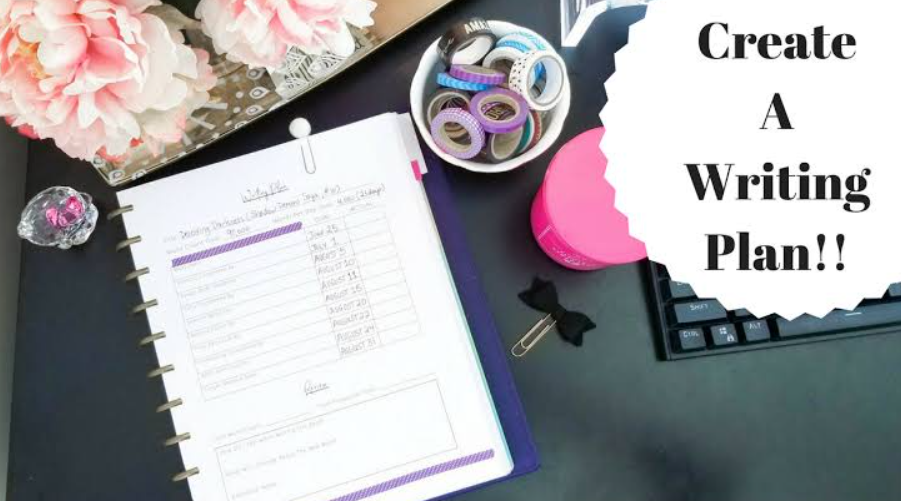
Writing a book often starts with a simple idea: a character, a question, a personal experience, or a subject that refuses to leave your mind. The difficult part is turning that idea into a finished manuscript.
For many writers, the problem isn’t a lack of creativity. It is the lack of a practical system for managing research, writing, revision, feedback, and deadlines.
A calendar can become one of the simplest tools for solving that problem.
Instead of treating a book as one enormous task, writers can divide the project into smaller stages and give each stage a realistic place in their schedule.
Planning a Writing Year With a calendario Colombia
For writers based in Colombia, a national calendar can be especially useful when planning a long writing project. Colombian public holidays, weekends, school periods, vacations, and personal commitments can all affect how much uninterrupted time a writer has available. Looking at the year as a whole makes it easier to identify periods that may be suitable for concentrated writing or research.
For example, a writer might use the beginning of the year to establish a research plan, reserve several weeks for drafting, and then schedule revision periods later in the year.
The important point is not to fill every available day with writing.
Instead, the calendar should help answer a more useful question:
When can I realistically give this project my best attention?
Break the Book Into Smaller Milestones
"Write a book" is a difficult task to schedule because it is too large. A better approach is to divide the project into milestones.
· Research and source collection
· Chapter outline
· First chapter
· First draft
· Complete manuscript
· Structural revision
· Copyediting
· Final proofreading
· Sample chapter preparation
· Publishing or submission
Once the project is divided, each milestone becomes something that can actually be scheduled. This also makes progress easier to see.
Protect the Time You Need to Write
One of the biggest mistakes writers make is treating writing time as whatever remains after everything else is finished. That approach often produces inconsistent progress. Instead, writers can reserve specific blocks of time for their projects.
· Monday: research
· Tuesday: drafting
· Wednesday: drafting
· Thursday: revision
· Friday: research and notes
· Weekend: longer writing session
The exact schedule doesn’t matter as much as having a repeatable system. A writer who consistently produces 500 words several times a week may eventually produce a substantial manuscript without needing huge bursts of inspiration.
Use Public Holidays and Long Weekends Strategically
A holiday doesn’t automatically mean that a writer should work. Sometimes the best use of a long weekend is to rest. But for writers who have full-time jobs or family responsibilities, a long weekend can occasionally create a useful opportunity for a longer uninterrupted session.
· Finish a difficult chapter
· Organize research notes
· Rewrite an opening
· Review several chapters
· Prepare a book proposal
· Create a detailed outline
The key is to treat these periods as optional opportunities rather than obligations.
Leave Space for Revision
A common writing mistake is to spend almost all available time on the first draft and leave little room for revision. But finishing a first draft is often only the midpoint of the creative process. A useful writing calendar should therefore include separate periods for revision.
· Structure
· Pacing
· Missing information
· Repetition
· Character development
· Chapter order
Later revisions can focus on sentences, grammar, consistency, and clarity. Separating these tasks prevents writers from trying to solve every problem simultaneously.
Build Feedback Into the Schedule
Inkshares’ publishing model places significant emphasis on developing readership and getting feedback on a project before publication. That idea can also be useful outside any particular publishing platform. A writer doesn’t have to wait until the manuscript is finished before asking for feedback.
· Draft → Share sample → Collect feedback → Revise → Continue drafting
This can help identify problems earlier, when they are easier to fix.
Don’t Confuse Productivity With Progress
A calendar can help writers become more organized, but organization should serve the writing rather than replace it. It is possible to spend hours creating elaborate schedules without producing a single page.
The best writing calendar is usually simple. Choose the important milestones, estimate the time required, reserve realistic writing periods, and then start. The goal isn’t to create a perfect year. The goal is to create enough structure that the next writing session is obvious.
A Calendar Can Turn an Idea Into a Project
Ideas are easy to collect. Finished manuscripts are much harder. The difference often comes down to what happens after the initial excitement disappears.
A calendar cannot write the book for you. It cannot solve every creative problem or guarantee that a manuscript will be published. What it can do is turn an abstract goal into a sequence of manageable actions.
For writers, that can be the difference between saying "I want to write a book someday" and knowing exactly what needs to happen this week.
And once the project has a schedule, finishing becomes less about waiting for the perfect moment and more about consistently showing up to do the work.
Editorial Note
This article is written for an audience interested in writing, publishing, readership, and creative projects. The exact seed keyword “calendario Colombia” is linked to the ColombiaCalendario.org homepage in the second heading.