 Reader Writer
Compulsive and Pathological Liar: When Lying Becomes a Mental Health Concern
Introduction
Everyone tells a lie sometimes. A child might lie to avoid getting into trouble, while an adult may tell a small lie to protect someone’s feelings. Occasional lying is a normal part of human behavior. However, when someone lies repeatedly, even when there is no clear reason, it may become a serious concern.
You may know someone who constantly makes up stories, hides the truth, or changes details about things that happened. Even when there is clear evidence, they may continue to deny the truth. This behavior can be confusing and frustrating for family members, friends, and coworkers.
People often ask questions such as:
"Why does someone lie about things that do not even matter?"
"Why do they keep lying when everyone already knows the truth?"
Repeated lying can affect almost every part of a person’s life. It can damage relationships, create problems at work, and make it difficult for others to trust them. Over time, family members may feel stressed, disappointed, or unsure about what to believe.
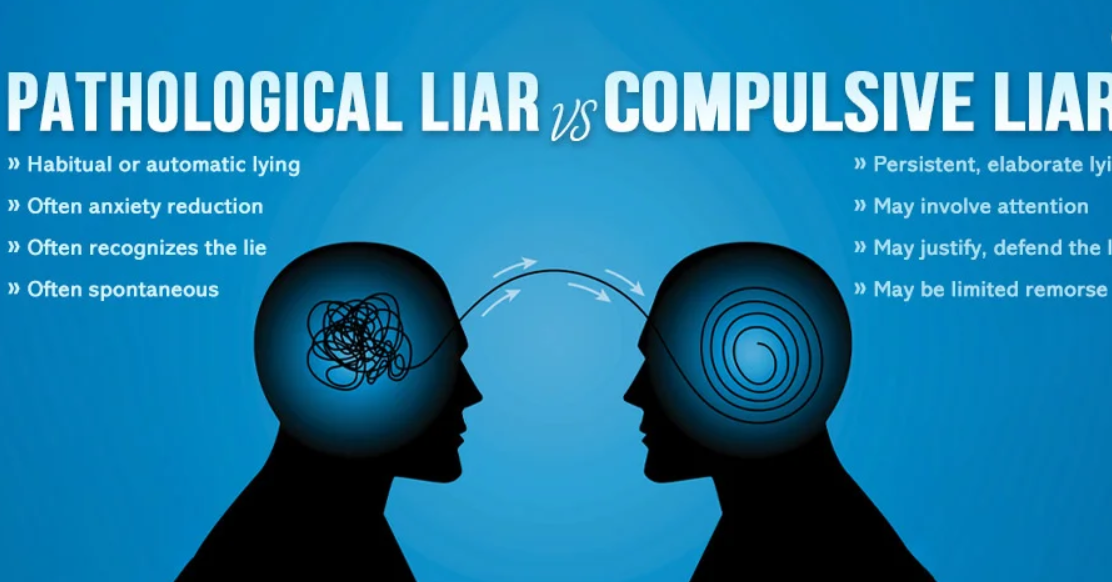
A Compulsive and Pathological Liar is a term commonly used to describe someone who lies repeatedly, sometimes without an obvious reason or personal benefit. However, these terms are not separate official mental health diagnoses. Repeated lying can have different causes, and understanding the reason behind this behavior is important.
Some people lie because they feel insecure, fear punishment, or want to avoid responsibility. Others may make up stories to gain attention, impress people, protect their image, or escape uncomfortable situations. In certain cases, frequent lying may also be associated with other mental health conditions or personality disorders.
It is important to remember that not everyone who lies frequently has a mental health disorder. Each person’s situation is different, and a professional evaluation can help identify the possible causes.
Repeated dishonesty can also affect the person who lies. They may struggle to maintain friendships, experience anxiety, lose family support, or face difficulties in their professional life. Sometimes, they may even find it difficult to separate their made-up stories from the truth.
The good news is that positive changes are possible. With proper guidance, therapy, and treatment of any underlying mental health concerns, people can learn healthier ways to communicate, manage their emotions, and build trust.
Understanding a Compulsive and Pathological Liar requires looking beyond the lies and identifying the reasons behind the behavior. Mental health professionals can help assess these patterns and recommend suitable treatment.
In this guide, we will explore the common signs of repeated lying, possible causes, how mental health professionals evaluate this behavior, and available treatment options. We will also discuss practical ways to support someone who struggles with frequent dishonesty.