 Reader Writer
Cost vs Value: Are Overhead Cranes Worth the Investment?
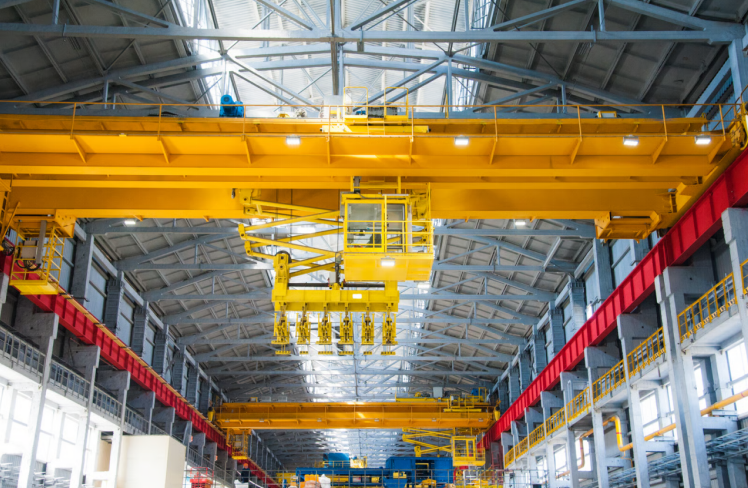
Many factories and warehouses rely on heavy lifting every day. This is where overhead cranes come in. They help move large, heavy loads with ease, saving time and effort on the floor.
But here’s the big question many business owners ask: Are overhead cranes really worth the money? At first glance, the price can look high. Still, many companies see strong value over time. This article breaks down both the cost and value in a simple way, so it becomes easier to decide if this equipment makes sense for a business.
What Are Overhead Cranes and How Do They Work?
Overhead cranes are machines that lift and move heavy loads across a fixed path. They usually run on a beam system installed above the working area. This design helps free up floor space and keeps work areas clear.
These cranes are of various types. There are some of them, such as bridge cranes, gantry cranes, and jib cranes. The types have a slightly different purpose, yet they are all intended to make lifting safer and easier.
Overhead cranes are utilised in a number of industries. They are building, producing, transporting, and steelmaking. Whenever dealing with heavy materials, any business is likely to rely on them to ensure that work flows.
The True Cost of Overhead Cranes
Overhead cranes come with several types of costs. A business should understand each one before making a decision.
Upfront Investment Breakdown
The first cost is the purchase price. Overhead cranes are not cheap because they are built for heavy-duty work. Installation also adds to the cost, as the system requires proper setup and robust support structures.
Some companies also need to adjust their building layout before installation. This can increase the total upfront spending.
Ongoing Operational Costs
After installation, overhead cranes still need regular care. Maintenance helps keep them safe and working well. This includes inspections, part replacements, and routine servicing.
They also use electricity, which adds to monthly running costs. While the energy use may not seem high at first, it can build up over time depending on usage.
Hidden Costs to Consider
Some costs are not obvious at the start. For example, downtime can affect production if the crane stops working. Repairs may also take time and money, especially if parts are not easy to replace.
Training workers also adds cost. Staff need proper training to operate cranes safely. Without this, accidents and delays can happen.
Financing and ROI Considerations
Many businesses choose to lease or finance overhead cranes rather than pay up front. This helps spread the cost over time.
The return on investment also matters. A crane may seem expensive at first, but it can pay off through better productivity and fewer labour costs over time.
The Value Overhead Cranes Bring to Operations
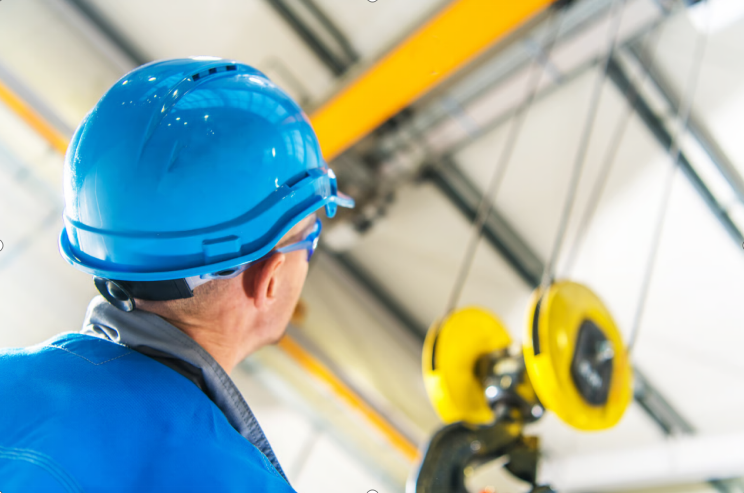
Even with the costs involved, overhead cranes offer strong value in daily operations.
They help workers move heavy loads faster and with less effort. This improves overall productivity and keeps work flowing without delays. Instead of relying on manual lifting, the crane does the heavy work safely and quickly.
Safety also improves a lot. Overhead cranes reduce the need for workers to lift heavy items by hand. This lowers the risk of injuries and helps create a safer workplace.
They also save space. Since the system runs above the floor, workers can use the ground area more freely. This helps improve organisation and workflow inside busy facilities.
Over time, businesses also save money. Even though the upfront cost is high, overhead cranes reduce labour needs and improve efficiency. This leads to better output and stronger long-term returns.
Final Thoughts
Overhead cranes come with a high upfront cost, but they also bring long-term value. They improve speed, safety, and efficiency in many industries. While businesses must consider installation, maintenance, and training costs, the benefits often outweigh the expenses.
In the end, overhead cranes work best for companies that handle heavy lifting regularly. A careful review of daily operations helps a business decide if this investment fits its needs.
For businesses considering upgrading their material handling system, it makes sense to speak with experts to explore the right crane setup. A good choice today can support safer and more efficient work for years to come.
Looking to improve your operations with reliable lifting solutions? Reach out to a trusted crane specialist today to explore options that fit your business needs.