 Reader Writer
Electric vs Gas Geyser in Pakistan: Which Water Heating Option Makes More Sense?
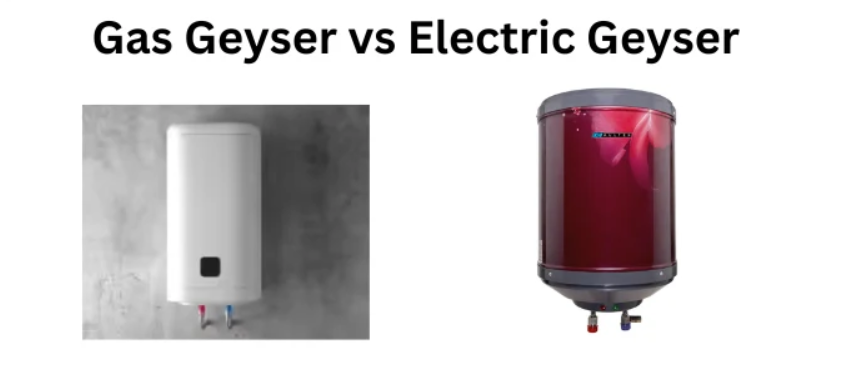
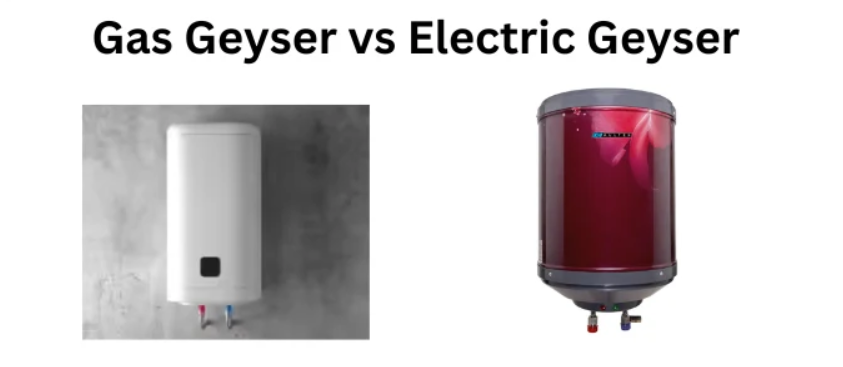
For many Pakistani households, a geyser becomes one of the most important appliances during winter. Hot water is needed for bathing, washing dishes, cleaning and many other everyday activities. But choosing a water heater is not always as simple as selecting the cheapest available option.
One of the biggest questions homeowners face is whether they should choose an electric geyser or a gas geyser.
Both options can provide reliable hot water, but their suitability depends on several factors. Gas availability, gas pressure, electricity costs, household size, water usage, installation requirements and winter conditions can all influence the decision.
Pakistan’s energy situation also varies from one area to another. A household with reliable gas pressure may have very different requirements from a family living in an area where gas pressure becomes low during winter. Similarly, households that already experience high electricity bills may want to carefully consider the running cost of an electric water heater.
Understanding the differences between electric and gas geysers can help Pakistani homeowners make a more practical decision.
Electric vs Gas Geyser: The Basic Difference
The main difference is the energy source used to heat water.
An electric geyser uses electricity to heat water, usually through an electric heating element. Depending on the design, it may heat and store water in a tank or provide hot water through an instant heating system.
A gas geyser uses natural gas to heat water. Gas-powered units are commonly used in Pakistani homes and can be particularly useful where gas supply is stable.
Neither option is automatically better for every household.
The right choice depends on your home’s energy availability, family size, daily hot-water consumption and budget.
Electric Geysers in Pakistan
Electric geysers can be a practical option for households where electricity is more dependable than gas.
They are available in different capacities, allowing buyers to choose a size based on the number of people in the household and their typical hot-water requirements.
One of their biggest advantages is that they do not depend on gas pressure. This can be important in areas where households experience inconsistent gas supply during winter.
Electric geysers can also be useful in apartments, smaller homes and properties where installing a gas appliance is difficult or unsuitable.
However, electricity consumption needs to be considered.
A large storage geyser may require considerable electricity to heat water, particularly if it is used frequently. Households already dealing with high electricity bills should therefore consider the appliance’s capacity and expected usage before buying.
Advantages of Electric Geysers
There are several reasons why Pakistani households may choose electric geysers.
Less Dependence on Gas Supply
If your home regularly experiences low gas pressure or interruptions, an electric geyser can provide an alternative way to heat water.
This can be especially useful during the winter season when gas demand increases.
Convenient Operation
Electric geysers can be straightforward to operate. Depending on the model, users may have access to temperature controls, thermostats and safety functions.
Different Capacity Options
Electric water heaters are available in small and large capacities. A small household may require considerably less hot-water storage than a large family.
Suitable for Different Homes
Electric units can work well in apartments, houses and other properties where electricity is readily available.
Before making a decision, however, buyers should compare available electric geysers in Pakistan based on capacity, heating technology, safety features and expected electricity consumption.
Disadvantages of Electric Geysers
Electric geysers also have some limitations.
The biggest concern for many households is electricity consumption.
Heating water requires energy, and frequent use can contribute to monthly electricity expenses. A larger tank can also require more energy to heat, particularly if a significant amount of hot water is used every day.
Another consideration is the home’s electrical infrastructure. A geyser should be installed using suitable wiring, protection and earthing according to the manufacturer’s requirements.
If the electrical system is not appropriate for the appliance, installation can become a safety concern.
Gas Geysers in Pakistan
Gas geysers have been popular in Pakistani households for many years.
Their main attraction is the ability to heat water using natural gas, which can be a practical option for homes with a reliable gas supply.
Gas geysers can heat water relatively quickly, particularly instant models. This can be useful for families that need hot water without keeping a large quantity of water heated in advance.
For households with dependable gas availability, a gas geyser may offer a practical balance between convenience and operating cost.
However, gas availability is a critical consideration.
Advantages of Gas Geysers
Fast Water Heating
Many gas geysers can provide hot water quickly, especially instant models. This can be convenient during busy winter mornings.
Less Dependence on Electricity
A gas geyser does not rely on electricity as its primary heating source. This can be useful in homes where electricity costs are a major concern.
Useful for Larger Households
Families with several members may find gas-powered systems practical because hot water can be produced without relying entirely on an electric heating element.
Instant Heating Options
Instant gas geysers can heat water as it is required, reducing the need to store a large quantity of preheated water.
However, installation and ventilation must be handled properly.
Disadvantages of Gas Geysers
Gas supply is the biggest issue to consider.
During winter, some Pakistani households experience reduced gas pressure or changes in gas availability. If pressure becomes too low, a gas geyser may not perform as expected.
Safety is another important factor.
Gas appliances should be installed correctly and used in properly ventilated areas. Poor installation, inadequate ventilation or faulty connections can create serious safety risks.
For this reason, homeowners should never treat gas geyser installation as a simple do-it-yourself project.
Gas vs Electric Geyser: Which Is Cheaper?
There is no single answer for every household.
The overall cost depends on the price of the appliance, energy rates, household usage, efficiency and the availability of gas or electricity.
A gas geyser may be more attractive to a household with stable gas supply and high hot-water usage. On the other hand, an electric geyser can make more sense for a home where gas pressure is unreliable but electricity is readily available.
This is why looking only at the purchase price can be misleading.
When comparing the geyser price in Pakistan, buyers should also think about long-term running costs.
A cheaper appliance may not necessarily be cheaper to operate.
What About Hybrid Geysers?
For households that do not want to depend entirely on one energy source, hybrid geysers can be another option.
Hybrid systems can combine gas and electricity, allowing households to use whichever energy source is more practical at a particular time.
This flexibility can be useful in Pakistan, where energy availability and household requirements can change during the year.
For example, a family may use gas when pressure is stable and rely on electricity when gas availability becomes problematic.
Hybrid systems may have a higher initial cost than basic options, but the additional flexibility can be valuable for some households.
Which Geyser Is Better for a Large Family?
Family size should play an important role in the decision.
A household with two people may have completely different hot-water requirements from a family of six or seven.
Large families should consider:
- Number of daily users
- Peak usage times
- Bathroom usage
- Kitchen hot-water requirements
- Storage capacity
- Heating speed
- Energy availability
A storage electric geyser can be useful when a family needs a reserve of hot water.
An instant gas geyser may be preferable when hot water is needed continuously or at different times throughout the day.
There is no universal capacity that works for every family. The correct choice depends on actual consumption.
How Winter Changes the Decision
Winter is when the difference between gas and electric heating becomes particularly important.
As temperatures drop, households naturally use more hot water. At the same time, energy demand can increase.
A family that rarely needs hot water during warmer months may suddenly use its geyser several times a day during winter.
This makes energy efficiency and operating costs more important.
Before winter begins, homeowners should check whether their existing geyser is working correctly and whether it has enough capacity for their household.
If the appliance is old, inefficient or unreliable, replacing it before the coldest part of the season may be more practical than waiting for a breakdown.
Electricity Costs vs Gas Availability
For many Pakistani families, the decision comes down to two practical questions:
How reliable is my gas supply?
and
How much can I reasonably spend on electricity for water heating?
If gas pressure is consistently poor, buying a gas geyser may not solve the household’s problem.
Similarly, if electricity bills are already high, an oversized electric geyser may not be the best option.
This is why homeowners should evaluate their own circumstances instead of choosing a water heater simply because it is popular.
Important Features to Consider
Whether you choose gas or electric, certain features deserve attention.
Safety Features
Look for appropriate safety mechanisms such as thermostatic controls, safety valves and automatic shut-off functions where applicable.
Insulation
Good insulation can help storage heaters retain hot water for longer and reduce unnecessary heat loss.
Capacity
Choose a capacity that matches your household instead of automatically selecting the largest available model.
Build Quality
The quality of the tank and heating components can affect the appliance’s durability.
Warranty
A suitable warranty can provide additional protection against manufacturing issues.
Installation Requirements
Always check what electrical, plumbing, gas or ventilation requirements are necessary before purchasing.
How to Choose Between Gas and Electric
A simple comparison can help.
Choose an Electric Geyser If:
- Your gas supply is unreliable.
- You live in an apartment without a suitable gas setup.
- Electricity is readily available.
- You prefer simple operation.
- You need different storage capacities.
- You want to avoid dependence on gas pressure.
Choose a Gas Geyser If:
- Your home has reliable gas supply.
- Gas pressure is generally stable.
- You need rapid water heating.
- You want to reduce dependence on electricity.
- You prefer an instant heating system.
Consider a Hybrid Geyser If:
- You want flexibility between gas and electricity.
- Energy availability changes frequently.
- Your household has high hot-water requirements.
- You are willing to invest in a more flexible system.
Safety Tips for Pakistani Homes
Regardless of which type you choose, safety should remain a priority.
For gas geysers:
- Ensure proper ventilation.
- Use qualified professionals for installation.
- Check gas connections regularly.
- Never ignore unusual smells or appliance behavior.
- Keep combustion and ventilation areas clear.
For electric geysers:
- Use appropriate wiring.
- Ensure proper earthing.
- Use suitable electrical protection.
- Do not operate damaged electrical components.
- Follow the manufacturer’s installation instructions.
Regular inspection can help identify problems before they become serious.
Final Verdict: Electric or Gas?
There is no single winner between electric and gas geysers.
For a Pakistani household with reliable gas supply, a gas geyser can be a practical choice, particularly when quick heating and lower dependence on electricity are important.
For a household facing unreliable gas pressure, an electric geyser can provide greater independence from the gas network.
Hybrid geysers can offer another solution for families that want flexibility between the two energy sources.
Ultimately, the best choice depends on your location, household size, energy availability and budget.
Before purchasing, compare capacity, technology, safety features, installation requirements and long-term running costs rather than focusing only on the initial price.
Most importantly, do not assume that the cheapest geyser will always be the most economical option. A suitable appliance should provide reliable hot water while matching the practical needs of your household.
For homeowners preparing for winter, comparing different geyser options based on energy source, capacity and household requirements can make the buying decision much easier.