 Reader Writer
How Wordplay Can Make Your Writing More Memorable
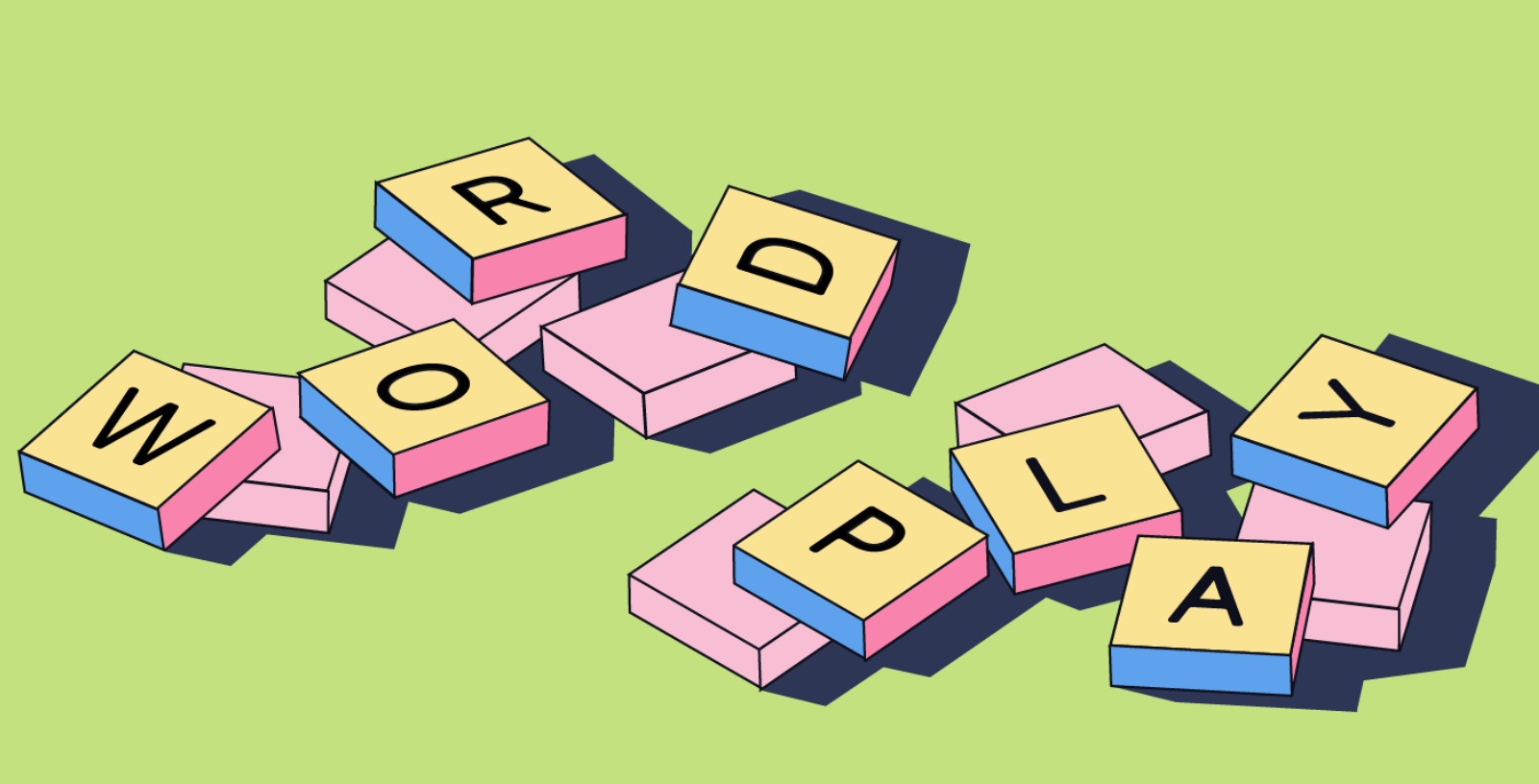
Good writing is not only about choosing the right information. The way words are arranged can also influence how readers experience and remember a piece of writing.
Whether you are writing a novel, a blog post, a poem, a personal essay, or even a book title, experimenting with language can help you discover ideas that you might not find through straightforward writing alone.
One simple way to explore this is through wordplay.
Why Wordplay Works
Wordplay gives readers something unexpected to notice. A familiar word can take on a different meaning when it is rearranged, combined with another word, or used in an unusual context.
This can make a sentence more interesting without requiring complicated language.
Writers have used techniques such as:
- Puns
- Rhyming
- Alliteration
- Double meanings
- Word associations
- Anagrams
- Creative titles
- Repetition
The goal is not to add wordplay to every sentence. Instead, it can be used selectively when you want to create emphasis, humor, curiosity, or a memorable phrase.
Anagrams as a Creative Writing Exercise
Anagrams are particularly interesting because they encourage you to look at familiar letters in a completely different way.
An anagram rearranges the letters of a word or phrase to create another word or phrase. Even when the result is not something you use directly in your writing, the process can help stimulate new ideas.
For writers, experimenting with anagrams can be useful when developing:
- Character names
- Fictional places
- Story titles
- Pen names
- Creative project names
- Puzzle ideas
- Writing prompts
For example, instead of immediately settling on the first name that comes to mind for a fictional character, a writer can experiment with different letter combinations and see what possibilities emerge.
A tool such as Anagrammeur Gratuit can make this type of experimentation faster by allowing writers to explore possible word combinations without having to rearrange letters manually.
Use Wordplay to Generate Ideas
One of the biggest benefits of wordplay is that it can help when you feel stuck.
Suppose you have chosen a general subject for a story but cannot find an interesting title. Instead of staring at a blank page, start listing related words.
Write down words associated with the subject, then experiment with sounds, meanings, combinations, and letter patterns.
You may discover a phrase that leads your thinking in a completely new direction.
This is especially useful during brainstorming because the first idea does not always have to be the final idea. The purpose of the exercise is to create possibilities.
Don’t Force It
There is an important difference between effective wordplay and wordplay that distracts from the writing.
If a clever phrase makes the reader stop and appreciate the idea, it can work very well. If the reader has to spend too much time figuring out what the writer means, it may weaken the message.
A useful rule is to make clarity the priority.
Use wordplay when it adds something to the writing—not simply because you can.
This is particularly important in longer pieces such as articles and books. A few well-chosen creative expressions can have much more impact than filling every paragraph with clever phrases.
Try a Simple Wordplay Exercise
You can practice this technique without spending much time.
Choose one word related to the subject you are writing about.
Then:
- Write down five words associated with it.
- Think of synonyms and related expressions.
- Look for interesting combinations.
- Experiment with sounds and repeated letters.
- Try rearranging letters where appropriate.
- Write down every interesting possibility without judging it immediately.
- Return later and select the ideas that actually fit your project.
The important part is to separate idea generation from editing.
During brainstorming, allow yourself to explore unusual possibilities. During editing, decide which ones genuinely improve the writing.
Wordplay Can Make Writing More Personal
There are countless technically correct ways to communicate an idea. What makes a piece of writing memorable is often the way the writer chooses to express it.
A distinctive phrase, an unexpected title, or a clever use of language can give writing its own personality.
For authors especially, experimenting with words can become part of the creative process rather than something reserved for the final editing stage.
The next time you are struggling with a title, character name, phrase, or creative idea, try looking at the words from a different angle.
Sometimes changing the way you see the letters is enough to change the idea itself.