 Ansh Dogra
Growing Your Business With Smart PR Marketing
A lot of business owners still treat PR like it is some “extra” thing you do after your company becomes successful. Honestly, I used to hear this all the time from startup founders during media calls. They would spend heavily on ads, social media boosts, influencer campaigns… and then ignore public relations completely.
Kind of strange when you think about it.
Because PR is usually the thing that gives people trust. And trust is what moves customers from “maybe” to "Okay, I’ll buy.”
Smart PR marketing isn’t a matter of volume of noise. It’s about having eyes to see where, when and what message. Easy, apparently, but not so. Have you ever seen that the little-known brands suddenly appear on the Internet and the bigger ones are still elusive? A lot of that is just a technique of communication.
And then… consistency.
That part matters more than most people expect.
PR is not just press releases anymore
The word ’PR’ is still associated with newspapers. Now the businesses are also sending updates online in the form of a press release to maintain their visibility and make them gain trust in the shortest time possible.
Brands have been doing PR in various ways online, through interviews with the founders, podcasts, niche blogs and public blunders—just to mention a few. One brilliant idea from one of the founders will make more impact than an ad campaign.
I do recall a small sustainable brand of skin care products being picked up by several lifestyle blogs because the CEO had a frugal mind, sharing the issue of packaging waste in the beauty industry. Comments were genuine. Not overly polished. That authenticity worked.
Funny enough, the company’s sales reportedly jumped within weeks.
Why does that happen?
Because audiences are tired of perfect marketing language. They want communication that feels real.
That is where smart PR marketing becomes powerful. It creates conversations instead of just advertisements.
The difference between smart PR and noisy PR
Here’s the thing…
A lot of businesses push content constantly but still fail to build media credibility. They send random announcements nobody asked for. They overuse buzzwords. They try too hard to sound “innovative” or "game-changing".
Media people notice that immediately.
Good PR is selective. Thoughtful. Timed properly.
For example, if a tech startup launches a new feature, smart PR would connect that feature to a larger trend happening in the market. Maybe remote work changes. Maybe AI automation concerns. Maybe customer privacy discussions.
That gives journalists a reason to care.
Otherwise, it is just another company talking about itself.
Honestly, reporters receive hundreds of pitches every week. Maybe thousands. So if your story sounds generic, it disappears fast.
Building visibility without looking desperate
This is where many brands struggle a little.
They want attention so badly that every piece of communication becomes overly promotional. But audiences can feel that pressure. And media outlets usually avoid content that sounds like direct advertising disguised as news.
Smart PR marketing works better when businesses focus on value first.
A restaurant owner talking about food sourcing challenges. A startup founder discussing hiring issues in smaller cities. A fashion brand explaining sustainable production delays.
Those angels feel human.
And people remember human stories.
One agency director I spoke with last year said something interesting: “The best press coverage usually starts with a useful conversation, not a sales pitch.”
That stayed with me because it is true.
Why online distribution changed everything
A few years ago, getting media attention depended heavily on traditional gatekeepers. Newspapers, television producers, and magazine editors. Now? Businesses have more direct access to visibility.
That shift changed PR completely.
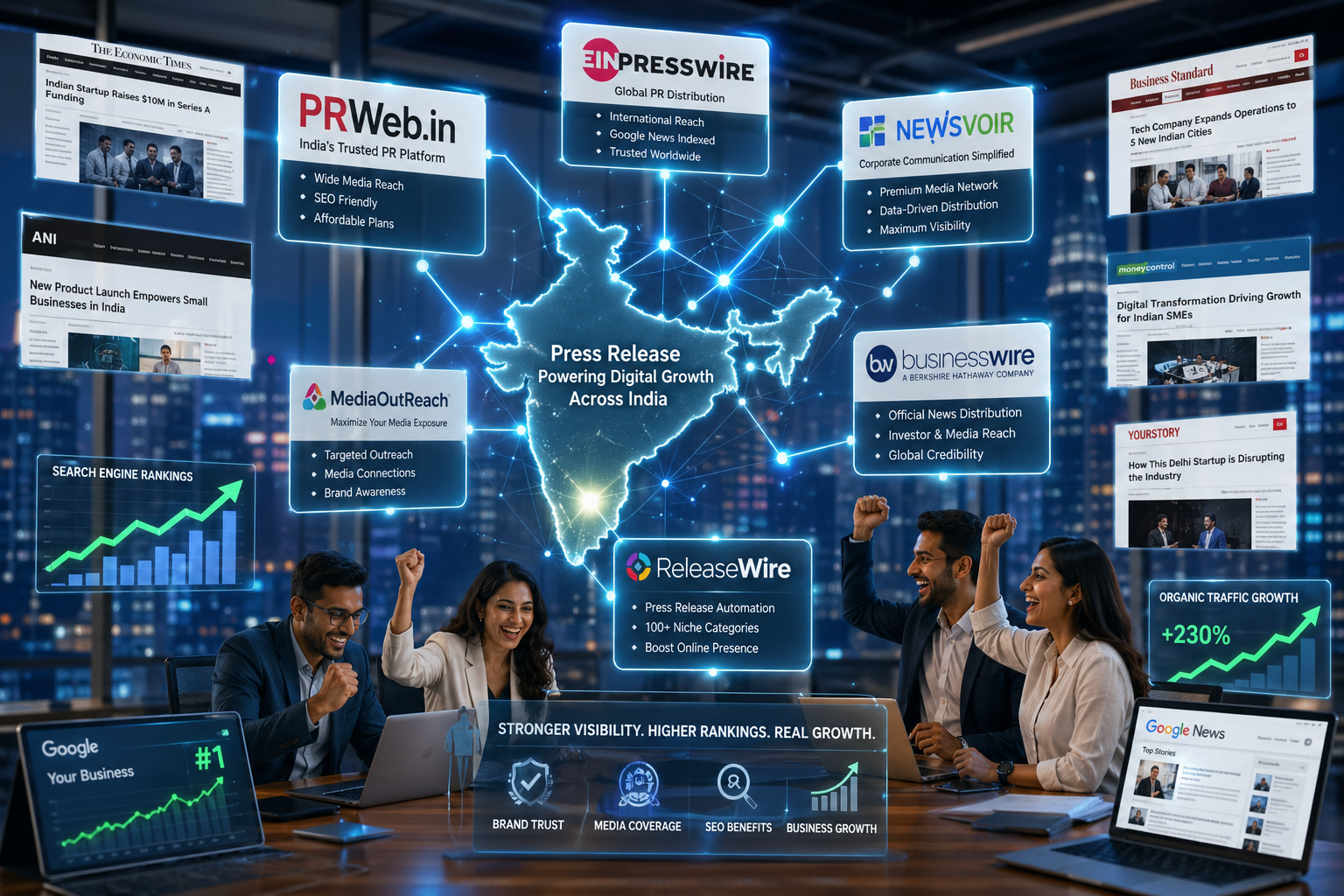
Today, companies can publish press releases online through distribution platforms that place announcements across digital news networks, search engines, and industry websites. When done properly, this helps businesses build search visibility and credibility at the same time.
But honestly, not every press release deserves distribution.
That sounds harsh, maybe, but it is reality.
A strong release should contain something genuinely useful or timely. Expansion news. Partnerships. Product launches. Research findings. Industry commentary. Even community projects can work well if the angle feels relevant.
Otherwise, people skim it and move on.
Media relationships still matter. A lot.
Technology changed PR tools, but relationships still drive results.
Editors remember sources who provide reliable information. Journalists remember founders who respond quickly and avoid exaggeration. PR professionals remember brands that make collaboration easier.
And weirdly enough, simple professionalism stands out more now because so many companies overcomplicate communication.
Quick replies. Clear facts. Honest statements.
That alone builds long-term trust.
I once watched a company recover from a public product issue mainly because their communication team handled updates calmly and transparently. They admitted delays, explained fixes, and stayed available for questions.
No dramatic spin.
Customers respected that honesty.
Sometimes smart PR is less about promotion and more about damage control before things become worse.
Small businesses actually have an advantage
This part surprises people.
In large companies, it’s common for every statement to have multiple approvals, thus causing a delay in movement. SMBs can respond quickly, speak with a personal touch and participate in conversations naturally.
Flexibility is important when it comes to the internet.
If a fitness brand in the same area as the commenter made a wellness trend, then it can quickly establish itself. The honest message of a startup founder succeeding or failing a campaign can get more traction than the corporate messaging.
People connect with experiences.
Not perfection.
And honestly, audiences can tell when communication is overly manufactured. The internet made that easier to spot.
So what really makes PR “smart”?
Not bigger budgets.
Not louder campaigns.
Usually, smart PR marketing comes down to timing, relevance, and emotional awareness. Understanding what people care about right now. Understanding how media cycles work. Understanding when to speak — and sometimes when not to.
That last part gets ignored.
Not every trending topic needs a brand response. Some companies force themselves into conversations where they clearly do not belong. It feels awkward. Readers notice immediately.
Good PR has restraint.
It also has patience.
Results often build slowly at first. One article leads to another. One interview creates trust. One online mention improves search visibility. Over time, credibility compounds.
And that is really the hidden value of PR.
Advertising can buy attention for a moment. Strong public relations can shape reputations for years.
Anyway, businesses that understand this early usually grow differently. More steadily. More sustainably. Customers trust them faster because they already feel familiar with the brand story before making a purchase.
And honestly, in today’s crowded digital world, that familiarity is becoming one of the most valuable marketing assets a business can have.