Brian and Michelle Guthrie liked an update for After Man

Wow, we soared past 300 copies sold and are almost to 300 readers!  Amazing.  So much loving all the support.  You are all amazing and awesome and so many other good adjectives!

For some interesting developments in modern science that contributes to the overall content of some of After Man’s backstory, I leave you with this article, from the New York Times.

Scientists Talk Privately About Creating a Synthetic Human Genome  

Scientists are now contemplating the fabrication of a human genome, meaning they would use chemicals to manufacture all the DNA contained in human chromosomes.  The prospect is spurring both intrigue and concern in the life sciences community because it might be possible, such as through cloning, to use a synthetic genome to create human beings without biological parents.  While the project is still in the idea phase, and also involves efforts to improve DNA synthesis in general, it was discussed at a closed-door meeting on Tuesday at Harvard Medical School in Boston. The nearly 150 attendees were told not to contact the news media or to post on Twitter during the meeting.  Organizers said the project could have a big scientific payoff and would be a follow-up to the original Human Genome Project, which was aimed at reading the sequence of the three billion chemical letters in the DNA blueprint of human life. The new project, by contrast, would involve not reading, but rather writing the human genome — synthesizing all three billion units from chemicals.  But such an attempt would raise numerous ethical issues. Could scientists create humans with certain kinds of traits, perhaps people born and bred to be soldiers? Or might it be possible to make copies of specific people?  “Would it be O.K., for example, to sequence and then synthesize Einstein’s genome?” Drew Endy, a bioengineer at Stanford, and Laurie Zoloth, a bioethicist at Northwestern University, wrote in an essay criticizing the proposed project. “If so how many Einstein genomes should be made and installed in cells, and who would get to make them?”  Dr. Endy, though invited, said he deliberately did not attend the meeting at Harvard because it was not being opened to enough people and was not giving enough thought to the ethical implications of the work.

George Church, a professor of genetics at Harvard Medical School and an organizer of the proposed project, said there had been a misunderstanding. The project was not aimed at creating people, just cells, and would not be restricted to human genomes, he said. Rather it would aim to improve the ability to synthesize DNA in general, which could be applied to various animals, plants and microbes.  “They’re painting a picture which I don’t think represents the project,” Dr. Church said in an interview.  He said the meeting was closed to the news media, and people were asked not to tweet because the project organizers, in an attempt to be transparent, had submitted a paper to a scientific journal. They were therefore not supposed to discuss the idea publicly before publication. He and other organizers said ethical aspects have been amply discussed since the beginning.  The project was initially called HGP2: The Human Genome Synthesis Project, with HGP referring to the Human Genome Project. An invitation to the meeting at Harvard said that the primary goal “would be to synthesize a complete human genome in a cell line within a period of 10 years.”

But by the time the meeting was held, the name had been changed to “HGP-Write: Testing Large Synthetic Genomes in Cells.”  The project does not yet have funding, Dr. Church said, though various companies and foundations would be invited to contribute, and some have indicated interest. The federal government will also be asked. A spokeswoman for the National Institutes of Health declined to comment, saying the project was in too early a stage.  Besides Dr. Church, the organizers include Jef Boeke, director of the institute for systems genetics at NYU Langone Medical Center, and Andrew Hessel, a self-described futurist who works at the Bay Area software company Autodesk and who first proposed such a project in 2012.  Scientists and companies can now change the DNA in cells, for example, by adding foreign genes or changing the letters in the existing genes. This technique is routinely used to make drugs, such as insulin for diabetes, inside genetically modified cells, as well as to make genetically modified crops. And scientists are now debating the ethics of new technology that might allow genetic changes to be made in embryos.  But synthesizing a gene, or an entire genome, would provide the opportunity to make even more extensive changes in DNA.  

For instance, companies are now using organisms like yeast to make complex chemicals, like flavorings and fragrances. That requires adding not just one gene to the yeast, like to make insulin, but numerous genes in order to create an entire chemical production process within the cell. With that much tinkering needed, it can be easier to synthesize the DNA from scratch.  Right now, synthesizing DNA is difficult and error-prone. Existing techniques can reliably make strands that are only about 200 base pairs long, with the base pairs being the chemical units in DNA. A single gene can be hundreds or thousands of base pairs long. To synthesize one of those, multiple 200-unit segments have to be spliced together.  But the cost and capabilities are rapidly improving. Dr. Endy of Stanford, who is a co-founder of a DNA synthesis company called Gen9, said the cost of synthesizing genes has plummeted from $4 per base pair in 2003 to 3 cents now. But even at that rate, the cost for three billion letters would be $90 million. He said if costs continued to decline at the same pace, that figure could reach $100,000 in 20 years.

J. Craig Venter, the genetic scientist, synthesized a bacterial genomeconsisting of about a million base pairs. The synthetic genome was inserted into a cell and took control of that cell. While his first synthetic genome was mainly a copy of an existing genome, Dr. Venter and colleagues this year synthesized a more original bacterial genome, about 500,000 base pairs long.  Dr. Boeke is leading an international consortium that is synthesizing the genome of yeast, which consists of about 12 million base pairs. The scientists are making changes, such as deleting stretches of DNA that do not have any function, in an attempt to make a more streamlined and stable genome.  But the human genome is more than 200 times as large as that of yeast and it is not clear if such a synthesis would be feasible.

Jeremy Minshull, chief executive of DNA2.0, a DNA synthesis company, questioned if the effort would be worth it.  “Our ability to understand what to build is so far behind what we can build,” said Dr. Minshull, who was invited to the meeting at Harvard but did not attend. “I just don’t think that being able to make more and more and more and cheaper and cheaper and cheaper is going to get us the understanding we need.”


like · liked by Thomas and 7 others

People who have liked this reader update

    Brian and Michelle Guthrie sent an update for After Man

    Wow, we soared past 300 copies sold and are almost to 300 readers!  Amazing.  So much loving all the support.  You are all amazing and awesome and so many other good adjectives!

    For some interesting developments in modern science that contributes to the overall content of some of After Man’s backstory, I leave you with this article, from the New York Times.

    Scientists Talk Privately About Creating a Synthetic Human Genome  

    Scientists are now contemplating the fabrication of a human genome, meaning they would use chemicals to manufacture all the DNA contained in human chromosomes.  The prospect is spurring both intrigue and concern in the life sciences community because it might be possible, such as through cloning, to use a synthetic genome to create human beings without biological parents.  While the project is still in the idea phase, and also involves efforts to improve DNA synthesis in general, it was discussed at a closed-door meeting on Tuesday at Harvard Medical School in Boston. The nearly 150 attendees were told not to contact the news media or to post on Twitter during the meeting.  Organizers said the project could have a big scientific payoff and would be a follow-up to the original Human Genome Project, which was aimed at reading the sequence of the three billion chemical letters in the DNA blueprint of human life. The new project, by contrast, would involve not reading, but rather writing the human genome — synthesizing all three billion units from chemicals.  But such an attempt would raise numerous ethical issues. Could scientists create humans with certain kinds of traits, perhaps people born and bred to be soldiers? Or might it be possible to make copies of specific people?  “Would it be O.K., for example, to sequence and then synthesize Einstein’s genome?” Drew Endy, a bioengineer at Stanford, and Laurie Zoloth, a bioethicist at Northwestern University, wrote in an essay criticizing the proposed project. “If so how many Einstein genomes should be made and installed in cells, and who would get to make them?”  Dr. Endy, though invited, said he deliberately did not attend the meeting at Harvard because it was not being opened to enough people and was not giving enough thought to the ethical implications of the work.

    George Church, a professor of genetics at Harvard Medical School and an organizer of the proposed project, said there had been a misunderstanding. The project was not aimed at creating people, just cells, and would not be restricted to human genomes, he said. Rather it would aim to improve the ability to synthesize DNA in general, which could be applied to various animals, plants and microbes.  “They’re painting a picture which I don’t think represents the project,” Dr. Church said in an interview.  He said the meeting was closed to the news media, and people were asked not to tweet because the project organizers, in an attempt to be transparent, had submitted a paper to a scientific journal. They were therefore not supposed to discuss the idea publicly before publication. He and other organizers said ethical aspects have been amply discussed since the beginning.  The project was initially called HGP2: The Human Genome Synthesis Project, with HGP referring to the Human Genome Project. An invitation to the meeting at Harvard said that the primary goal “would be to synthesize a complete human genome in a cell line within a period of 10 years.”

    But by the time the meeting was held, the name had been changed to “HGP-Write: Testing Large Synthetic Genomes in Cells.”  The project does not yet have funding, Dr. Church said, though various companies and foundations would be invited to contribute, and some have indicated interest. The federal government will also be asked. A spokeswoman for the National Institutes of Health declined to comment, saying the project was in too early a stage.  Besides Dr. Church, the organizers include Jef Boeke, director of the institute for systems genetics at NYU Langone Medical Center, and Andrew Hessel, a self-described futurist who works at the Bay Area software company Autodesk and who first proposed such a project in 2012.  Scientists and companies can now change the DNA in cells, for example, by adding foreign genes or changing the letters in the existing genes. This technique is routinely used to make drugs, such as insulin for diabetes, inside genetically modified cells, as well as to make genetically modified crops. And scientists are now debating the ethics of new technology that might allow genetic changes to be made in embryos.  But synthesizing a gene, or an entire genome, would provide the opportunity to make even more extensive changes in DNA.  

    For instance, companies are now using organisms like yeast to make complex chemicals, like flavorings and fragrances. That requires adding not just one gene to the yeast, like to make insulin, but numerous genes in order to create an entire chemical production process within the cell. With that much tinkering needed, it can be easier to synthesize the DNA from scratch.  Right now, synthesizing DNA is difficult and error-prone. Existing techniques can reliably make strands that are only about 200 base pairs long, with the base pairs being the chemical units in DNA. A single gene can be hundreds or thousands of base pairs long. To synthesize one of those, multiple 200-unit segments have to be spliced together.  But the cost and capabilities are rapidly improving. Dr. Endy of Stanford, who is a co-founder of a DNA synthesis company called Gen9, said the cost of synthesizing genes has plummeted from $4 per base pair in 2003 to 3 cents now. But even at that rate, the cost for three billion letters would be $90 million. He said if costs continued to decline at the same pace, that figure could reach $100,000 in 20 years.

    J. Craig Venter, the genetic scientist, synthesized a bacterial genomeconsisting of about a million base pairs. The synthetic genome was inserted into a cell and took control of that cell. While his first synthetic genome was mainly a copy of an existing genome, Dr. Venter and colleagues this year synthesized a more original bacterial genome, about 500,000 base pairs long.  Dr. Boeke is leading an international consortium that is synthesizing the genome of yeast, which consists of about 12 million base pairs. The scientists are making changes, such as deleting stretches of DNA that do not have any function, in an attempt to make a more streamlined and stable genome.  But the human genome is more than 200 times as large as that of yeast and it is not clear if such a synthesis would be feasible.

    Jeremy Minshull, chief executive of DNA2.0, a DNA synthesis company, questioned if the effort would be worth it.  “Our ability to understand what to build is so far behind what we can build,” said Dr. Minshull, who was invited to the meeting at Harvard but did not attend. “I just don’t think that being able to make more and more and more and cheaper and cheaper and cheaper is going to get us the understanding we need.”

    like · liked by Thomas and 7 others

    People who have liked this reader update

      Brian and Michelle Guthrie followed T. S. Sgrignuoli
      T. S. Sgrignuoli
      Eater of Stories
      Follow
      Brian and Michelle Guthrie liked an update for Beyond The Code

      Hello there all you wonderful people!!

      Well I said that if we made 260 orders before the campaign ended I would hold another 50 Point Raffle. Guess what!! You amazing people blew that goal right out of the water so here it is. The winner of the final 50 Point Raffle is...


      Sarah Bryant!! Congratulations!! You are the last winner of the 50 Point Raffle. Your super soft Beyond the Code blanket will be sent to you as soon as possible. 

      Again thank you all so much for bring this campaign to a successful end. Beyond the Code is going to be published. It still give me goosebumps saying that. 

      Thank you all. 

      Kelsey Rae Barthel

      like · liked by Sharyl and 9 others

      People who have liked this reader update

        Brian and Michelle Guthrie liked an update for The Seventh Age: Dawn

        As tomorrow happens to be my birthday, and I turn the grand ol’ age of 35. I figured I would make this update about something a little more personal. 

        I mentioned once before that The Seventh Age book was inspired by events in a role-playing game universe that I created years ago. Like any LARP, costumes and props play a fantastic roll. I’ve attached only a mere handful of my favorite pictures from the games that were played. 

        Here are some of the pictures that inspired me to turn my imagination into an actual book:

        There are some extremely talented crafters that played in our games over the years.

        And AnotherAnd the final one:

        The box of red buttons was one of my favorite game sessions still. If you like these kind of updates as well, or want to know more about the expanded world of The Seventh Age, follow the project page please. I’m on a quest to achieve 1000 copies as well, so if you know anybody who likes sarcastic urban fantasy... please recommend to a friend. 

        Also, how does everyone feel about me using this update reader feature as sort of a weekly blog? Leave a comment, email me at CrankyBolt@gmail.com, hit up up on twitter @crankybolt and let me know!

        like · liked by Mary and 16 others

        People who have liked this reader update

          Brian and Michelle Guthrie followed Dean L Moses
          Dean L Moses
          Follow
          Brian and Michelle Guthrie liked an update for The Pirates of Montana

          What’s the good word Pirates!!

          Soooo, the Geek & Sundry contest is almost over! Honestly, I’m a bit relieved. Its been a fun, nail-biting experience for us in the trenches, and I’m looking forward to the next stage. Because of your support, we are #3!!! But, I’m not one to rest until its over, so here is my pitch:

          For all those who have pre-ordered, THANK YOU! You are rock stars and we here at Team Pirates appreciate your support!!

          For those on the fence, please help us get to and past QUILL!! We’re only a few copies away, and we’re so excited to meet this benchmark! 

          For everyone that buys today, SATURDAY MAY 14, we will donate 100% of our take to the American Cancer Society.  

          My mother died of cancer when I was 22.  I know she would have loved that Pirates of Montana exists today. This book, this story, exists because of her. #fcukcancer (not sure if Inkshares censures this sort of thing, so yes, it is misspelled ;-))

          Anyway here is a hilarious meme to lighten the mood!

          like · liked by Adam and 6 others

          People who have liked this reader update

            Brian and Michelle Guthrie liked an update for Rise

            As a thank you to all your support during the campaign to bring Rise to publication, Inkshares sent out a gift of $10 credits to use in another contest.  I’ve contacted many of you through the Book of Faces, but just in case I missed people, I’m sending this little announcement out.  They expire on Monday, 16 May 2016.  Most of those I have talked to did receive the credits but there are a few who did not and I’m not sure why.  Still, it doesn’t hurt for you to look.  And, if you have them, I could think of at least one way you could use them by Monday night.

            After Man!

            In other news related to Rise itself, I’ve seen the final copy sent to the proofreader and it looks amazing.  This thing is so close to happening yet still so many months away.  Stay tuned for news regarding a small release party at or around DragonCon in Atlanta, GA the week leading up to the convention.

            Finally, many of you have been asking about the sequel to Rise, Fall.  Some of you have noticed on my author page it lists a certain draft named Fall and asked why you couldn’t go follow or preorder it yet.  The reason is I haven’t quite finished prepping the page for public viewing so you can follow it.  It will not be available for preorder until closer to Rise’s release date of 13 Sept 2016.  Stay tuned.

            like · liked by Kendra and 6 others

            People who have liked this reader update

              Brian and Michelle Guthrie sent an update for Rise

              As a thank you to all your support during the campaign to bring Rise to publication, Inkshares sent out a gift of $10 credits to use in another contest.  I’ve contacted many of you through the Book of Faces, but just in case I missed people, I’m sending this little announcement out.  They expire on Monday, 16 May 2016.  Most of those I have talked to did receive the credits but there are a few who did not and I’m not sure why.  Still, it doesn’t hurt for you to look.  And, if you have them, I could think of at least one way you could use them by Monday night.

              After Man!

              In other news related to Rise itself, I’ve seen the final copy sent to the proofreader and it looks amazing.  This thing is so close to happening yet still so many months away.  Stay tuned for news regarding a small release party at or around DragonCon in Atlanta, GA the week leading up to the convention.

              Finally, many of you have been asking about the sequel to Rise, Fall.  Some of you have noticed on my author page it lists a certain draft named Fall and asked why you couldn’t go follow or preorder it yet.  The reason is I haven’t quite finished prepping the page for public viewing so you can follow it.  It will not be available for preorder until closer to Rise’s release date of 13 Sept 2016.  Stay tuned.

              like · liked by Kendra and 6 others

              People who have liked this reader update

                Brian and Michelle Guthrie liked an update for The Amaranth Chronicles: Deviant Rising

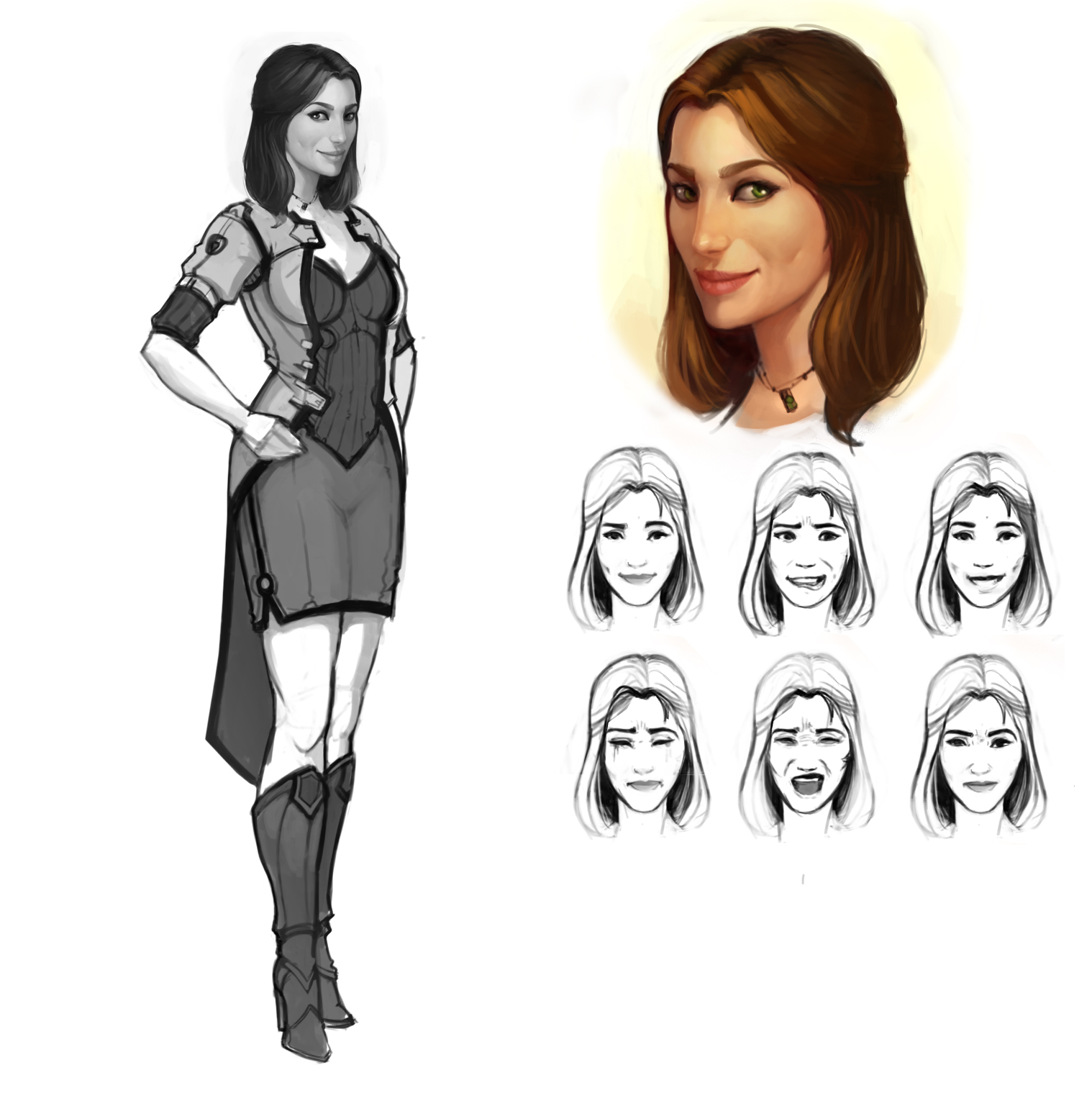
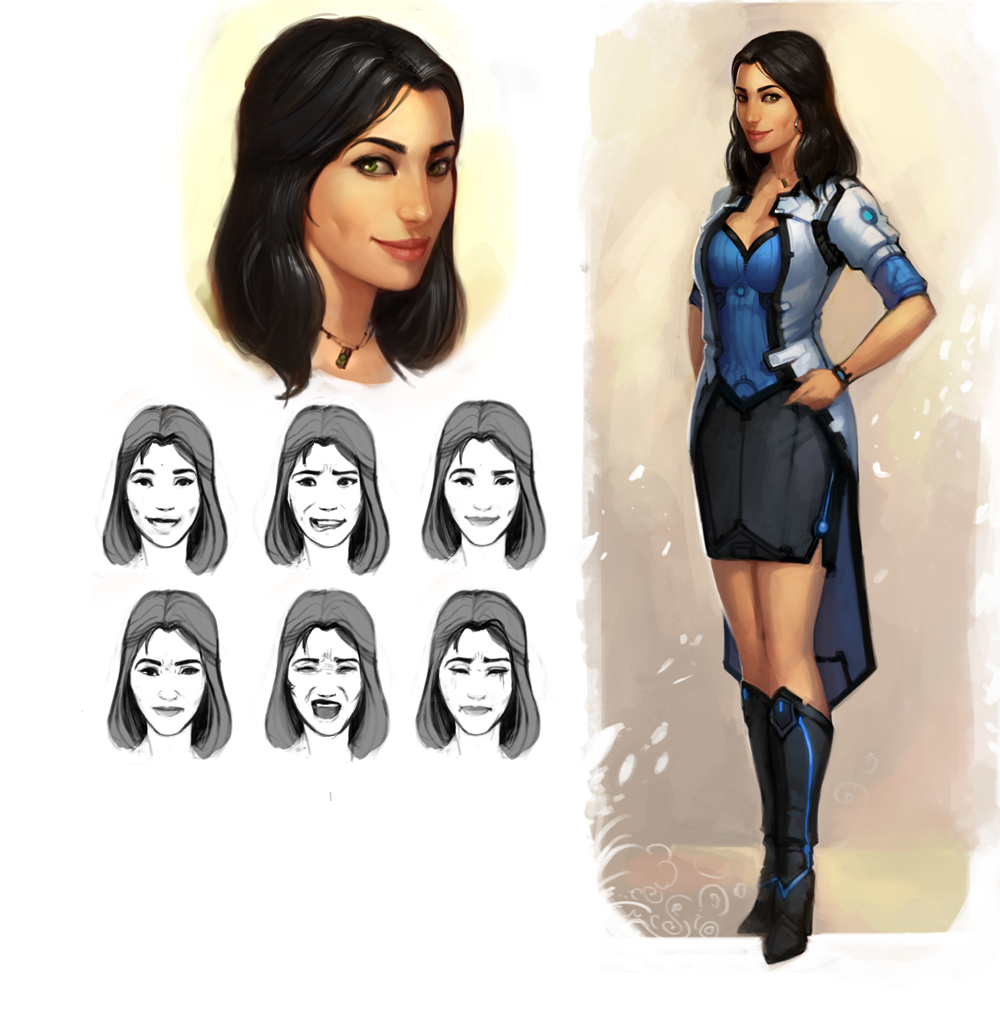
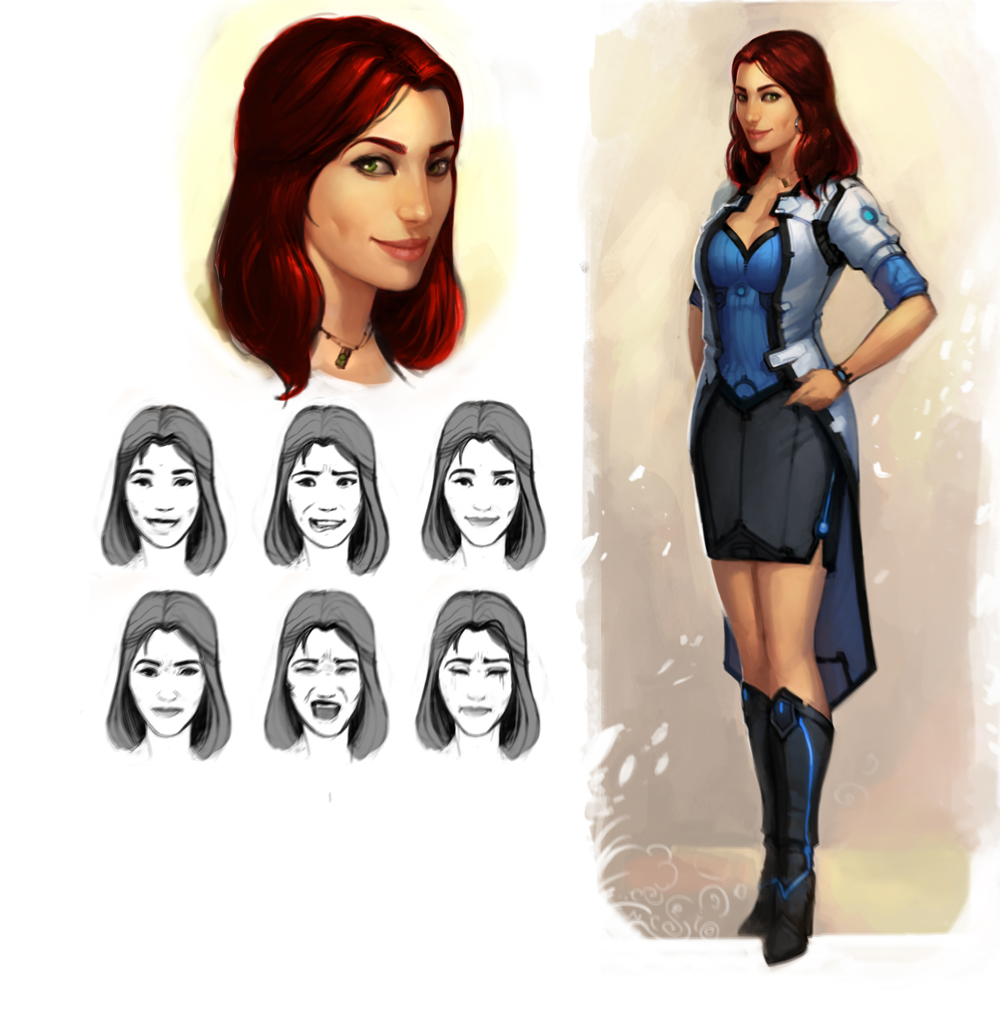
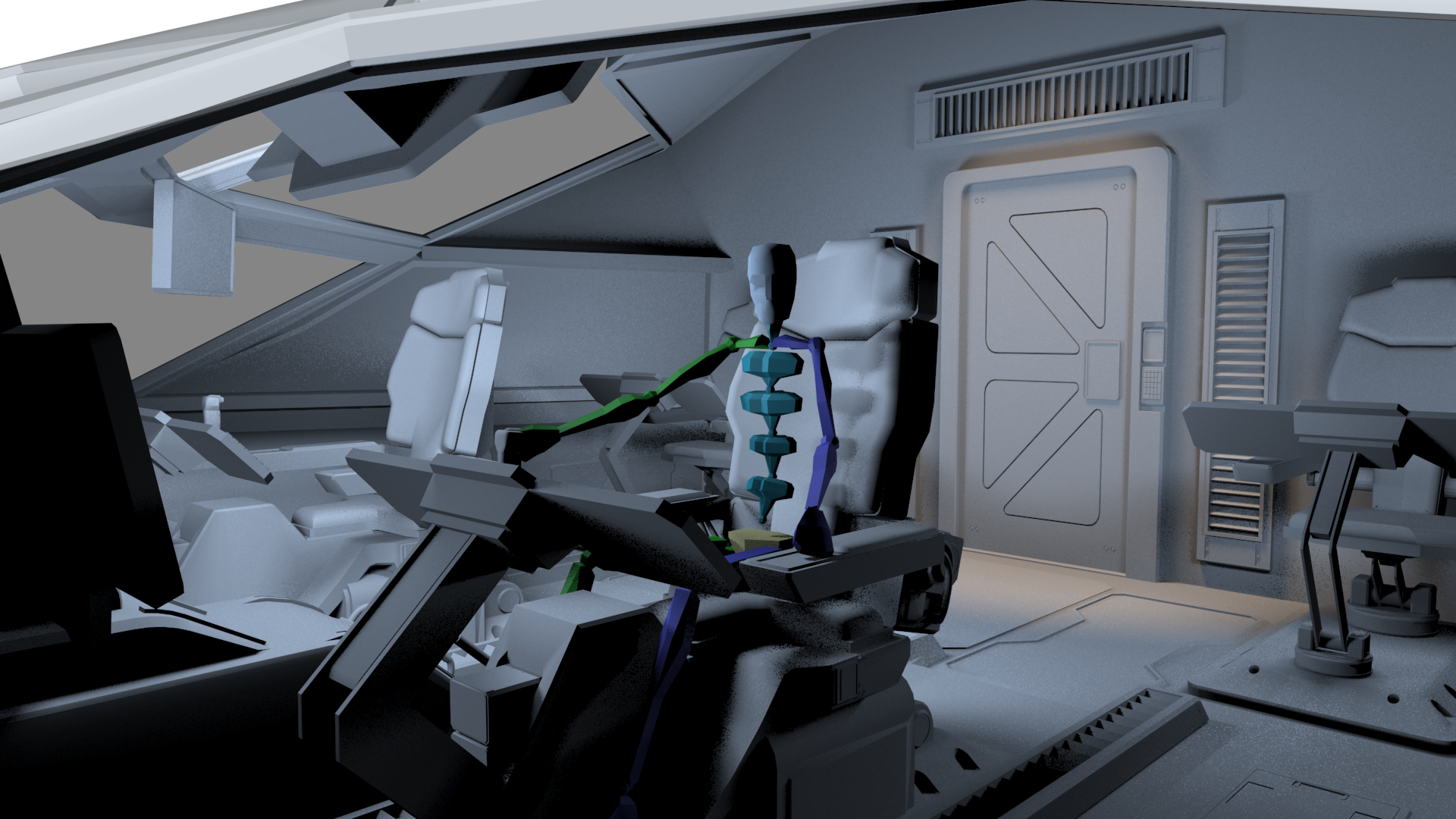
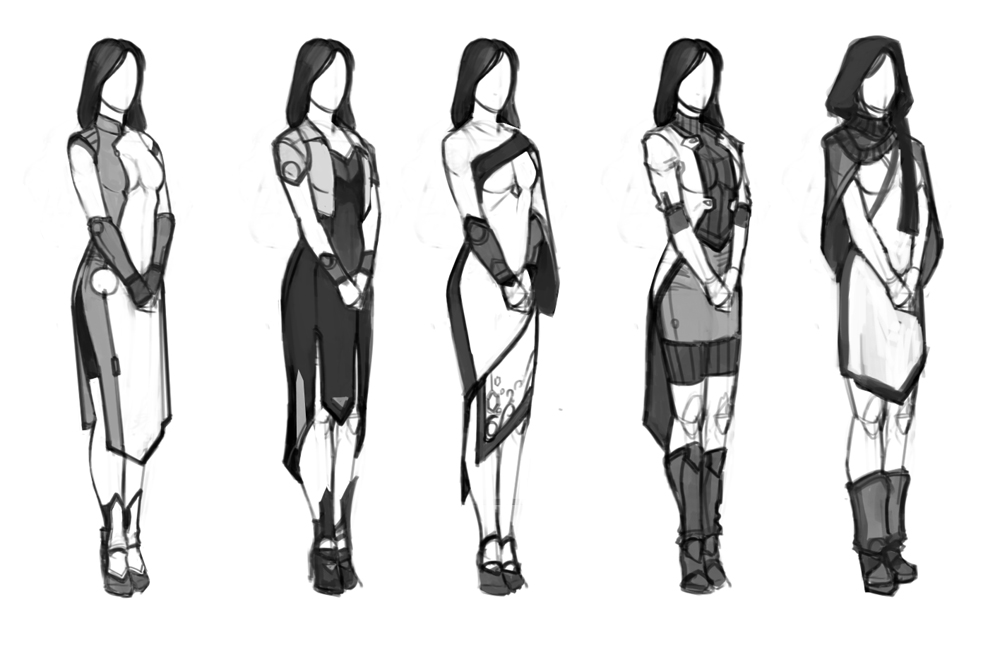
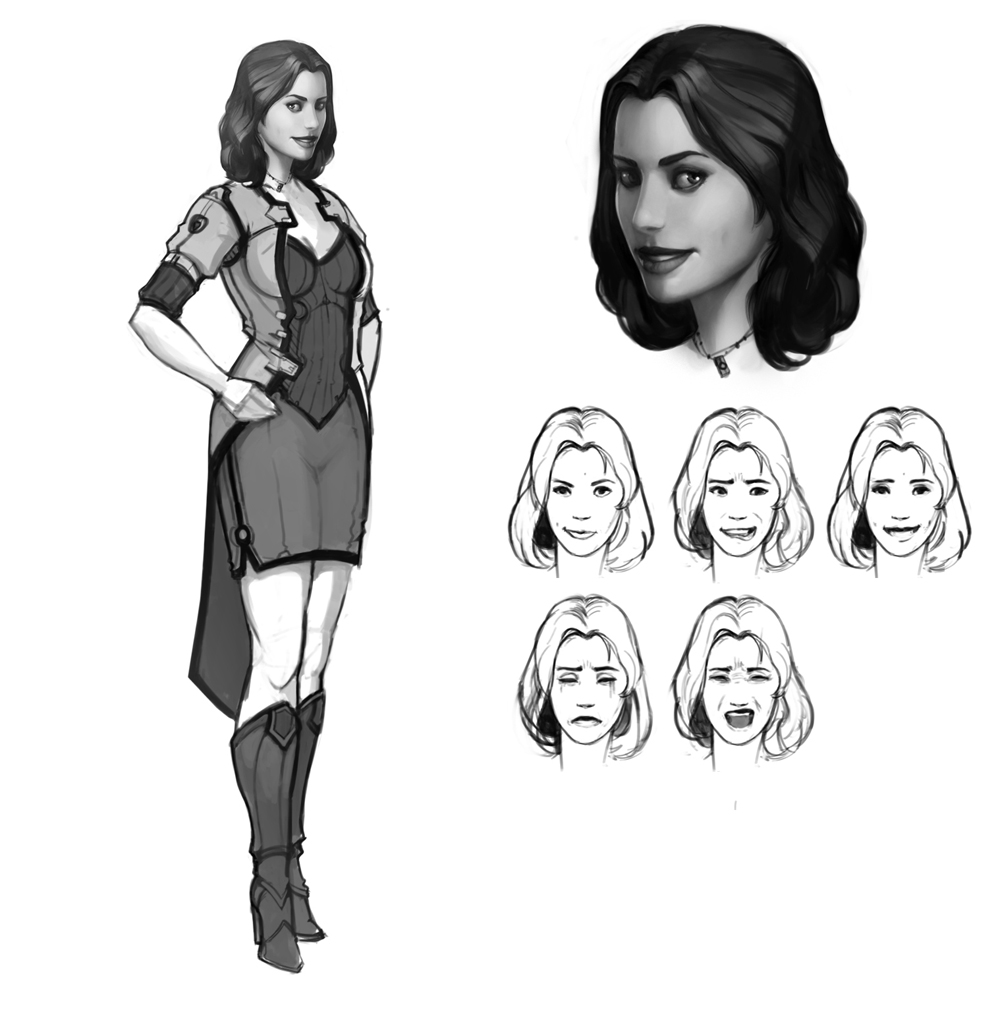
                We’re down to 15 pre-orders left before we get published!!! As we get down to the last few copies I’ve decided to share some alternative concept art for our story that either didn’t make the cut or are really early versions of some of the final work. Enjoy!

                ...

                ...

                ...

                ...

                like · liked by Jason and 11 others

                People who have liked this reader update

                  More items